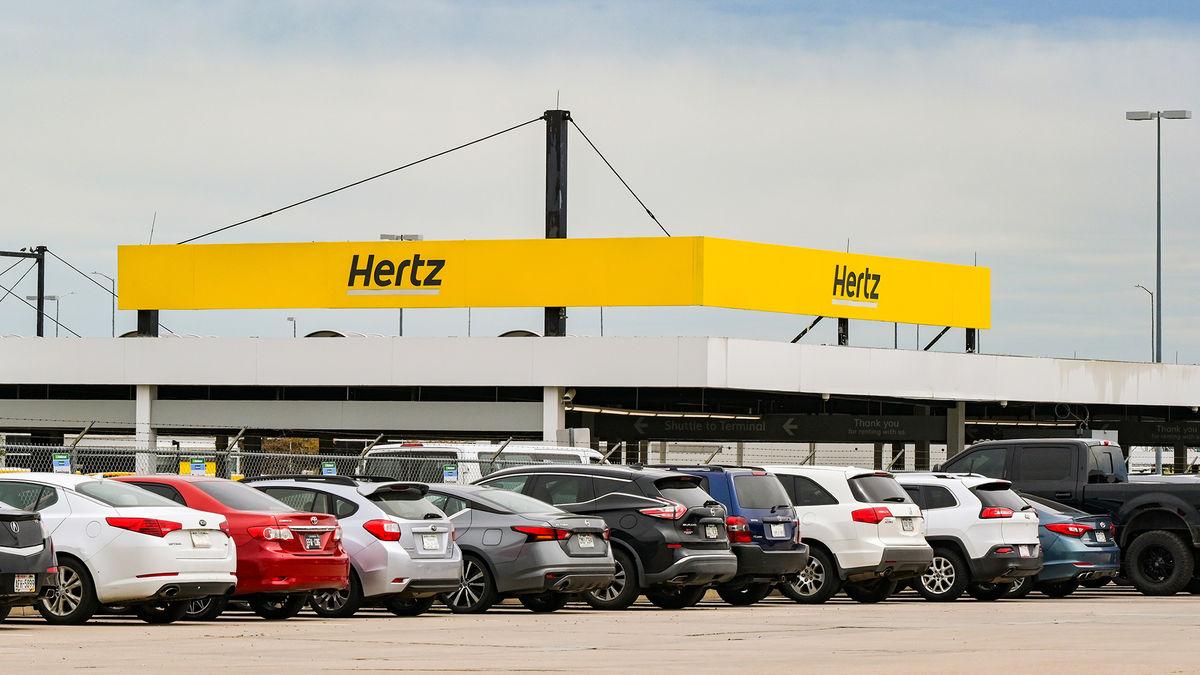
Bank Lenders Prepare for Potential Debt Negotiations
Bank lenders to Hertz Global Holdings are reportedly organizing as the US car rental group faces renewed financial pressures stemming from its substantial debt burden, continued cash consumption and approaching refinancing obligations.
According to reporting by The Wall Street Journal on 20 November 2026, Barclays, acting as agent for Hertz's revolving credit facility, has engaged financial advisory firm Lazard and international law firm Milbank. Certain secured creditors have reportedly also retained separate financial and legal advisers.
The development points to growing creditor attention to the company's financial position, although the appointment of advisers does not in itself indicate that a formal restructuring or bankruptcy filing is imminent.
For Hertz, which emerged from Chapter 11 bankruptcy proceedings in 2021, renewed creditor coordination highlights the financial challenges associated with operating a capital-intensive business dependent on continuous access to debt markets.
Nearly $18 Billion in Debt and Continued Cash Consumption
Hertz's reported financial position illustrates the difference between improving operating performance and the ability to generate sufficient cash to service and refinance outstanding financial obligations.
|
Selected financial indicators |
Reported value |
|
Total debt |
Approx. $18bn |
|
Cash consumption in 9M2026 |
Over $340m |
|
Reported liquidity |
$946m |
|
Expected year-end liquidity |
Approx. $800m |
|
December 2026 debt maturity |
$200m |
|
Q3 2026 revenue growth, YoY |
5.6% |
|
Q3 2026 adjusted EBITDA growth, YoY |
15% |
Source: Financial figures reported by The Wall Street Journal, 20 November 2026. Year-end liquidity represents an estimate rather than a confirmed financial outcome.
Despite reported improvements in revenue and adjusted EBITDA, Hertz continues to face pressure on its liquidity position. The company's substantial financing requirements reflect the capital-intensive nature of the car rental industry, where vehicle acquisitions, fleet depreciation, residual values and funding costs materially influence cash generation.
The composition of Hertz's debt is particularly important. Vehicle-backed financing and corporate-level borrowings have different collateral arrangements, repayment mechanisms and recovery characteristics. The group's aggregate indebtedness should therefore not be interpreted as a uniform unsecured creditor exposure.
Creditor Coordination and Secondary Loan Market Risks
One of the more significant aspects of the reported developments is the apparent effort by bank lenders to coordinate their positions before potential negotiations over the company's capital structure.
In distressed credit situations, individual lenders may seek to reduce their exposure by selling loans on the secondary market. While such transactions can provide an immediate exit for the selling institution, they may also change the composition of the creditor group and introduce investors pursuing different recovery strategies.
Distressed debt investors acquiring exposures at substantial discounts may have different economic incentives from originating banks. These differences can influence negotiations over maturity extensions, additional collateral, debt exchanges and potential enforcement strategies.
Early creditor coordination can help establish a common understanding of the borrower's liquidity requirements, collateral position and refinancing alternatives before individual recovery strategies begin to diverge.
Refinancing Capacity Remains Central to Hertz's Financial Outlook
Hertz's immediate financial challenge is not necessarily the absolute size of its debt burden, but its ability to maintain adequate liquidity while meeting upcoming maturities and preserving access to fleet financing.
Potential financial measures could include maturity extensions, refinancing transactions, asset disposals, additional capital or negotiated amendments to existing financing arrangements. Their feasibility would depend on market conditions, collateral availability and the willingness of creditors to provide continued support.
The reported engagement of advisers suggests that lenders are preparing for a range of potential outcomes. Whether Hertz can address its financing requirements through conventional refinancing or will require a more comprehensive liability management exercise remains uncertain.
Editorial Disclaimer
This article is based on publicly available information and attributed reporting as at 24 November 2026. Information concerning creditor coordination, adviser appointments and potential financing discussions is principally based on reporting by The Wall Street Journal.
References to potential restructuring measures, refinancing alternatives and creditor recovery strategies represent independent analytical considerations. They do not imply that Hertz has entered formal restructuring proceedings, is insolvent or has defaulted on its financial obligations.
This publication provides independent financial information and analysis and does not constitute investment advice.
Sources and References
1. The Wall Street Journal, 20 November 2026. Hertz Bank Lenders Form Group as Financial Risks Mount.
https://www.wsj.com/pro/bankruptcy/hertz-bank-lenders-form-group-as-financial-risks-mount-38ce5c72
2. Hertz Global Holdings – Investor Relations.
https://ir.hertz.com/
3. U.S. Securities and Exchange Commission (SEC) – Hertz Global Holdings corporate filings.
https://www.sec.gov/edgar/browse/?CIK=1657853